Raise Awareness of Thanatophoric Dysplasia, Financially Support Clinical Research, and Provide Financial Assistance and Community Resources to Affected Families

Building a Community to Support TD Families

The foundation’s purpose is to raise awareness of Thanatophoric Dysplasia (TD), financially assist families both in their everyday lives and where insurance/social programs fall short, and to be a community resource for families present and future whose children have TD.

Paisley Renee Courson, whom the foundation is named after and honors, was a survivor of TD who lived a beautiful 3 years.  It is our hope that her story, and that of other TD children and families will shine a bright light on this rare condition and inspire not only those affected by TD, but all people.

Thanatophoric Dysplasia, as defined by the Cleveland Clinic, is “a rare, life-threatening genetic condition that affects the growth and development of a fetus’ bones and lungs.”   It is believed that approximately 1 in 20,000 children are affected by this condition.

Due to the low occurrence of TD, little research has been done and few resources are available.  This often leaves affected families feeling alone, uncertain and lost.

We strive to change that.
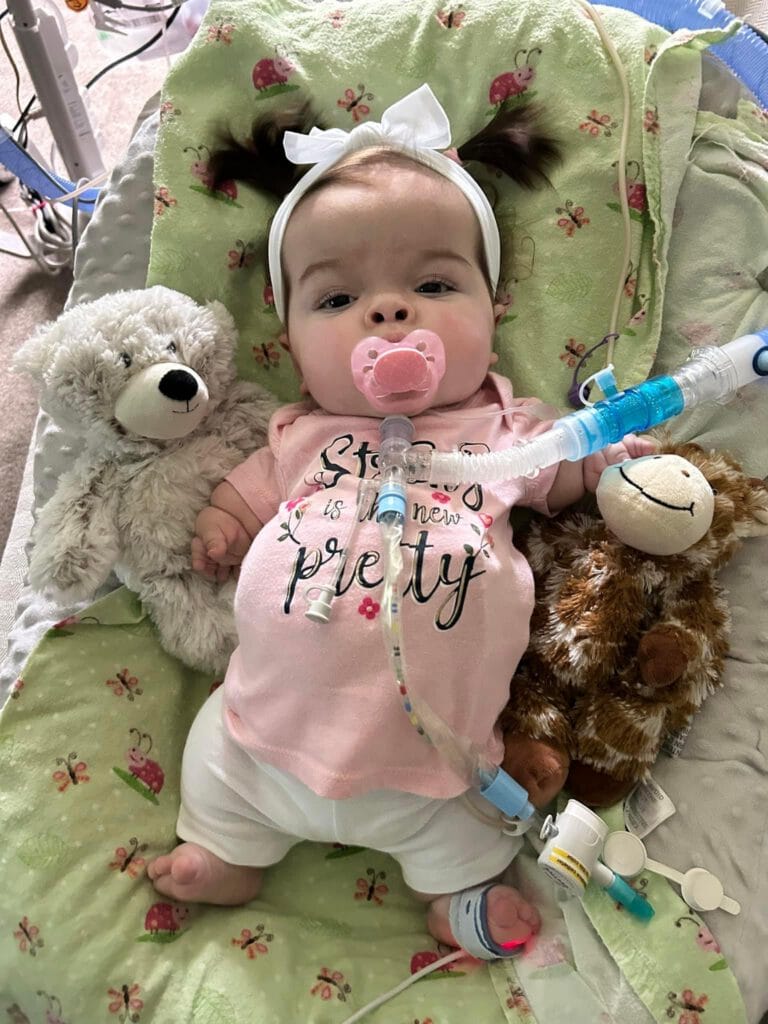
Raise Awareness of Thanatophoric Dysplasia

Thanatophoric Dysplasia occurs in approximately 1 in 20,000 births. Due to the low occurrence of TD, little research has been done, and few resources are available.  This often leaves affected families feeling alone, uncertain, and lost.

We strive to change that.

Financially Support Clinical Research

One of the foundation’s long-term goals is to secure funding for clinical research specifically targeted at Thanatophoric Dysplasia. Currently, little to no research has been done, and journals available to doctors and physicians are out of date. Because of this, when parents are given the diagnosis, often times very few options are given.  Paisley, among others, is proof that with the right treatment, TD children can live long and beautiful lives.

In numbers, there is hope.

Provide Financial Assistance and Community Resources to Affected Families

The Paisley Foundation aims to be a resource both financially and through community services to families raising children with Thanatophoric Dysplasia. To meet the immediate needs of TD families, the foundation fills the gaps and voids of insurance and other programs.   When raising a child with TD, we believe financial burdens should be the least of a family’s concerns.

By building a community of families that have lived and experienced TD children, the foundation stands to be a resource for new parents entering this unknown and often difficult time.

Know that you are not alone.

“With the support from The Paisley Foundation, I can focus more on my children, making their lives more enjoyable and improving their quality of life.”

AmberSarah's Mother and Advocate

Frequently Asked Questions

What is Thanatophoric Dysplasia (TD)?

Thanatophoric Dysplasia is a rare genetic condition that affects the growth and development of an infant’s bones and lungs. Infants with this condition may have extreme short stature, micromelia, a narrow chest, underdeveloped lungs, macrocephaly, and a small foramen magnum.

What causes Thanatophoric Dysplasia (TD)?

Thanatophoric Dysplasia is caused by a random mutation of the FGFR3 gene (Fibroblast Growth Factor Receptor 3). This gene plays a key role in bone development and growth. The mutation causes the FGFR3 protein to become overly active, disrupting normal bone growth, particularly in the limbs and ribs, and leading to the characteristic skeletal abnormalities seen in TD.

When is Thanatophoric Dysplasia (TD) diagnosed?

Thanatophoric Dysplasia is often diagnosed during pregnancy or shortly after birth. It can be diagnosed in conjunction with anatomy scans, amniocentesis, and genetic testing.

Is Thanatophorid Dysplasia (TD) survivable?

Yes, with proper medical treatment and intervention, many TD children worldwide are surviving.  See our TD Family page to meet some of these children and their families.

What are typical medical treatments or interventions that can support children with a TD diagnosis?

Note: Treatments and interventions listed below are not all-inclusive or specific to every child:

  • Respiratory support (intubation/ventilator) and/or tracheostomy.    
  • Feeding assistance to include nasogastric (NG) tube, orogastric (OG) tube, and gastrostomy tube.
  • Cervical Spinal Decompression.
  • Ventriculoperitoneal (VP) shunt.
  • Physical, speech, and occupational therapy.
  • Regular monitoring from medical specialists.

The Paisley Foundation, Inc. is a 501(c)(3) nonprofit organization. Organization Documents can be requested via the Contact Us form. Donations are tax-deductible.